Showing posts with label preventive dental care. Show all posts

Sunday, December 29, 2019

Dental Caries: How They Are Formed and What You Can Do to Prevent Them

Dental caries (cavities) are the most common form of oral disease known to man, and the process of getting caries is called tooth decay.
Tooth decay is the destruction of your tooth enamel -- the hard, outer layer of your teeth. This issue can affect children, teens and adults. Plaque, a sticky film of bacteria, is constantly forming on your teeth. When you eat or drink foods or beverages containing sugars, the bacteria in plaque produce acids that attack tooth enamel. The stickiness of the plaque keeps these acids in contact with your teeth, and over time the enamel can break down, according to the American Dental Association (ADA).

The types of caries formed can be broken down into two major groups:

Pit and fissure caries. These are found most often on the chewing surfaces of the back (molar and premolar) teeth, and the back of the front (anterior) teeth. Your teeth are composed of several sections of enamel, and where these sections meet, pits and grooves can trap plaque, causing decay. The proper application of pit and fissure sealants, a hard plastic material applied to seal the grooves and pits when the teeth have erupted, can prevent this type of dental caries. The sealants also make it less likely that you will need restorations (fillings) on those surfaces of the teeth.

Smooth surface caries. These are found most often along the gumline or where two teeth touch (interproximal or the space between teeth), if plaque forms in those areas. With the proper use of dental floss, you can prevent most smooth surface caries in the interproximal area, and using a manual or power toothbrush along the gumline can prevent caries in that area as well.

To read the entire article written by Richard A Huot, DDS, please visit Colgate.com

Solace Dental
Bill Skinner, DDS
14381 Hickman Rd.
Urbandale, IA 50323
(515) 412-4200

Thursday, November 21, 2019

Like Parent, Like Child: Good Oral Health Starts at Home

Parents are a child's first teacher in life and play a significant role in maintaining his or her overall health. Providing oral health education to mothers and families is essential to teaching children healthy habits and preventing early childhood tooth decay, according to an article published in the May/June 2010 issue of General Dentistry, the peer-reviewed clinical journal of the Academy of General Dentistry (AGD).

With all of the challenges that new parents face, they may not think much about the link between their child's oral health and overall health. In fact, an understanding of oral hygiene can help parents to prevent tooth decayóthe single most common chronic childhood disease in Americaóand to create a lifetime of healthy habits for their child.

"Ideally, the oral health education for any family will begin with prenatal education and the establishment of a dental home by the time the child is 12 to 18 months of age," says Tegwyn Brickhouse, DDS, author of the study. "Many people don't realize that the oral health of the mother affects both the infant's future oral health and the child's overall health. In fact, some studies show that periodontal disease has been linked to preterm labor. That's why pregnant women should be evaluated for cavities, poor oral hygiene, gingivitis, loose teeth and diet."

After the child is born, families should become familiar with their child's dental and oral health milestones, which will be determined by discussion with the family dentist or a pediatric dentist. Children should have their first dental visit at age 1 or within six months of the eruption of their first tooth. A dentist will be able to discuss when parents can expect to see a child's first tooth and the best technique for brushing his or her new teeth.

Diet is another factor that affects a child's oral health. Frequent and long-term exposure to liquids that contain sugars commonly results in tooth decay. In addition to eliminating sugary drinks altogether from a child's diet, parents can adopt other habits to prevent tooth decay due to beverage consumption.

"Parents should avoid giving their children milk, formula, juice or soda at naptime or nighttime," says Bruce DeGinder, DDS, MAGD, spokesperson for the AGD. "The sugars will linger on their teeth and gums for a prolonged period of time, promoting decay."

Parents are responsible for their child's oral hygiene practices and are advised to meet with a general dentist to determine the best way to establish and maintain their child's oral health. A general dentist also can provide families with oral health literature that is designed to educate both the parent and child. This education has multiple benefits; as Dr. Brickhouse notes, "Healthy teeth in early childhood can provide a positive self-image and improve the child's quality of life."

To read the entire article please visit KnowYourTeeth.com

Solace Dental
Bill Skinner, DDS
14381 Hickman Rd.
Urbandale, IA 50323
(515) 412-4200

Kids' Healthy Teeth During the Holidays

Below is an excerpt from an article found on Colgate.com that was written by Elizabeth SanFilippo

Chances are good that visions of cookies, desserts and candy canes may be dancing in your children's heads this holiday season. While you will do what you can to limit their intake of these sugary treats, your kids will probably be eating their fair share of sugar at your family holiday parties. Despite their consumption of sugar, there are ways to keep your kids' healthy teeth and gums in shape and to minimize damage to their dental health.

Why Is Sugar Bad for Dental Health?
Whether your kids are eating chocolate cake, sugar cookies or peppermint candy, they are ingesting sugar. According to the American Dental Association (ADA), naturally occurring bacteria in the mouth feed on this sugar, and the byproduct is acid. This acid can eat away at tooth enamel, which can lead to tooth decay and cavities. The more time teeth spend exposed to sugar, the higher the risk that your children will face dental health problems. Hard candies, and sticky candies such as taffy and caramel, can be worse for teeth than other treats such as cake and cookies.

Brush after Eating a Sugary Treat
In general, the ADA recommends that everyone brush their teeth and gums at least twice a day for at least two minutes each time. Flossing should also be done at least once a day. During the holidays, encourage your kids to brush and floss even more than this, particularly right after they finish dessert. If a toothbrush is not handy, the next best thing to do is rinse. Encourage your kids to rinse their mouths with water - not soda or even sparkling grape juice ó which will help wash away sugar, acids and any other food that may be stuck to their teeth.

To read the entire article visit Colgate.com.

The remainder of the article details the following:

  • Limit Sugar Time
  • Make Dessert a Part of the Meal
  • Make Toothbrushing Fun
  • Schedule a Dentist Visit
Solace Dental
Bill Skinner, DDS
14381 Hickman Rd.
Urbandale, IA 50323
(515) 412-4200

Friday, October 18, 2019

What is a Mouthguard?

A mouthguard is a flexible appliance that is worn in athletic and recreational activities to protect teeth from trauma. The dental profession unanimously supports the use of mouthguards in a variety of sports activities.

Why should I wear a mouthguard?

A mouthguard can prevent serious injuries such as broken teeth, jaw fractures, cerebral hemorrhage and neck injuries by helping to avoid situations where the lower jaw gets jammed into the upper jaw. Mouthguards are effective in moving soft tissue in the oral cavity away from the teeth, preventing laceration and bruising of the lips and cheeks, especially for those who wear orthodontic appliances. They may also reduce the severity and incidence of concussions.

In what sports should I wear a mouthguard?

Anytime there is a strong chance for contact with other participants or hard surfaces, it is advisable to wear a mouthguard. Players who participate in basketball, softball, football, wrestling, soccer, lacrosse, rugby, in-line skating and martial arts, as well as recreational sports such as skateboarding and bicycling, should wear mouthguards while competing.

Why don't kids wear mouthguards?

Parents are sometimes uninformed about the level of contact and potential for serious dental injuries involved with sports in which the child participates. Some, though not all, schools reinforce the health advantage of mouthguards for their contact sports. Cost may be another consideration, although mouthguards come in a variety of price ranges.

What are the different types of mouthguards?

Stock mouthguard: The lowest cost option is a ready-made, stock item, which offers the least protection because the fit adjustment is limited. It may interfere with speech and breathing because this mouthguard requires that the jaw be closed to hold it in place. A stock mouthguard is not considered acceptable as a facial protective device.

Mouth-formed mouthguard: There are two types of mouth-formed mouthguards. The first is a shell-liner mouthguard that is made with an acrylic material that is poured into an outer shell, where it forms a lining. When placed in an athlete's mouth, the protector's lining material molds to the teeth and is allowed to set. Another type is a thermoplastic, or "boil-and-bite," mouthguard. This mouthguard is softened in hot water and then placed in the mouth and shaped around the teeth by using finger, tongue and sometimes biting pressure.

Custom-made mouthguard: The best choice is a mouthguard custom-made by your dentist. It offers the best protection, fit and comfort level because it is made from a cast to fit your teeth.

How should I care for a mouthguard?

  • Clean your mouthguard by washing it with soap and cool (not hot) water. 
  •  Before storing, soak your mouthguard in mouthwash. 
  • Keep your mouthguard in a well-ventilated, plastic storage box when not in use. Make sure the box has several holes so the mouthguard will dry. 
  • Heat is bad for a mouthguard, so don't leave it in direct sunlight or in a closed automobile. 
  • Don't bend your mouthguard when storing. 
  • Don't handle or wear someone else's mouthguard. 
  • Call your dentist if there are any problems.

Above article by: KnowYourTeeth.com


Solace Dental
Bill Skinner, DDS
14381 Hickman Rd.
Urbandale, IA 50323
(515) 412-4200

Saturday, September 7, 2019

Nutrition Tips: How to Eat Healthy

Below is an excerpt from an article found on Colgate.com that was written by Yolanda Eddis

Healthy eating is essential for your overall health. Choosing foods and beverages that provide the right amount of energy and nutrients goes a long way toward maintaining not only a healthy body, but also a healthy mouth. The Centers for Disease Control and Prevention (CDC) offer numerous nutrition resources, such as sample recipes, menus and educational tools that will guide you in picking out the right foods and drinks to consume. By knowing how to eat healthy, you can improve your physical and oral health, prevent disease and promote healthy growth and development for children and adolescents.

What Is a Nutritious Diet?

Eating a nutritious diet has many benefits. A well-balanced diet should include foods from the basic food groups and subgroups along with the right oils. Nutrients such as carbohydrates, fats, proteins, vitamins and minerals are a staple of healthy diets, but it's also important to avoid eating too many or too few nutrients.

In an effort to assist consumers to learn how to eat healthy, the U.S. Department of Agriculture developed the MyPlate website. MyPlate illustrates the five food groups, which include fruits, vegetables, grains, proteins and dairy, and provides several examples of each. Oils that come from different plants and fish are also recommended although they don't constitute a food group of their own. The selection of foods from these groups can be fresh, canned, frozen or dried. The site also recommends different ways to balance your caloric intake by increasing nutrients and decreasing the consumption of sugar and sodium in meals and snacks.

To read the entire article visit Colgate.com.

The remainder of the article details the following:

  • How to Select Healthy Beverages
  • Healthy Habits after Eating and Drinking
  • Healthy Eating Tips
  • Diet and Dental Health

Solace Dental
Bill Skinner, DDS
14381 Hickman Rd.
Urbandale, IA 50323
(515) 412-4200

Halloween Candy: Your Dental Health Survival Guide

Below is an excerpt from an article found on MouthHealthy.org

With Halloween comes ghosts, goblins and goodies-and the sugar in those treats can play some unwanted tricks on your teeth if you’re not careful. 

Here’s why: The bacteria in your mouth are probably more excited to eat Halloween candy than you are. When the bacteria eat the sugar and leftover food in your mouth, a weak acid is produced. That acid is what can contribute to cavities. 

But don’t hang up your costume just yet. “Halloween is about candy, dressing up and having fun,” says ADA dentist Dr. Ana Paula Ferraz-Dougherty. “It’s OK to eat that candy on Halloween as a splurge as long as you’re brushing twice a day and flossing once a day all year long.”

To help you sort through the trick-or-treat bag loot, we have a rundown of some common candies and their impact on your teeth:
Chocolate
Chocolate is probably your best bet, which is good because it’s also one of the most popular kinds of candy handed out on Halloween. ìChocolate is one of the better candies because it washes off your teeth easier than other types of candy,î Dr. Ferraz- Dougherty says. “Dark chocolate also has less sugar than milk chocolate.”

Sticky and Gummy Candies
Be picky if it’s sticky. These are some of the worst candies for your teeth. “This candy is harder to remove and may stay longer on your teeth, which gives that cavity-causing bacteria more time to work,” Dr. Ferraz-Dougherty says.

To read the entire article visit MouthHealthy.org.

The remainder of the article details the following:

  • Hard Candy
  • Sour Candy
  • Popcorn Balls

Bill Skinner, DDS
14381 Hickman Rd.
Urbandale, IA 50323
(515) 412-4200

12 Tips for a Healthy Halloween

Below is an excerpt from an article found on MouthHealthy.org

Halloween is around the corner, which for most children means bags of free candy and a chance to build a stockpile of sweets for the winter. No surprise, Halloween can also present parents with a variety of health and safety challenges. “It’s OK to eat that candy on Halloween but it’s important to have a plan,” says ADA dentist Dr. Ana Paula Ferraz-Dougherty. 

Here's how you can help your family stay MouthHealthy on Halloween and year-round.
Time It Right
Eat Halloween candy (and other sugary foods) with meals or shortly after mealtime. Saliva production increases during meals. This helps cancel out acids produced by bacteria in your mouth and rinse away food particles.

Stay Away from Sweet Snacks
Snacking can increase your risk of cavities, and it’s double the trouble if you keep grabbing sugary treats from the candy bowl. “Snacking on candy throughout the day is not ideal for your dental health or diet,” Dr. Ferraz-Dougherty says.

Choose Candy Carefully
Avoid hard candy and other sweets that stay in your mouth for a long time. Aside from how often you snack, the length of time sugary food is in your mouth plays a role in tooth decay. Unless it is a sugar-free product, candies that stay in the mouth for a long period of time subject teeth to an increased risk for tooth decay.

To read the entire article visit MouthHealthy.org.

The remainder of the article details the following:

  • Avoid Sticky Situations
  • Have a Plan
  • Drink More Water
  • Maintain a Healthy Diet
  • Stay Away from Sugary Beverages
  • Chew Gum with the ADA Seal
  • Brush Twice a Day
  • Clean Between Your Teeth
  • Visit an ADA Dentist

Bill Skinner, DDS
14381 Hickman Rd.
Urbandale, IA 50323
(515) 412-4200

What 10 Common Mouth Issues Really Look Like (Part 3 of 3)

You know good dental habits can help prevent things like cavities and gingivitis, but you may not know what conditions like these really look like or how they can affect your mouth. Use this visual guide to learn more about some of the most common dental health issues, symptoms to watch for and the potential treatments that are available. Please note: This content is for informational purposes only. Only a dentist, physician or other qualified health care professional can make a diagnosis.

Darkened Tooth


There are two reasons your tooth may change color after trauma: It’s either trying to protect the nerve or it’s dying. If it’s protecting the nerve, your tooth may look a little darker than the ones next to it. If it changes colors like a bruise (from pink to gray), this means your tooth is most likely dead. You may need a root canal, usually followed by a crown. In some cases it may be necessary to remove the tooth. If it is a baby tooth, you may be able to leave it alone until it falls out.

Canker Sores


Canker sores are small white or gray sores with a red border that appear your lips, the back of your throat or under your tongue. Their exact cause is uncertain but some suggest that immune system problems, bacteria or viruses may be play a role. They are also more common in women.

Canker sores aren’t contagious and usually heal on their own after one or two weeks. Over-the-counter creams and mouthwashes may give you temporary relief. Until it heals, stay away from hot, spicy or acidic foods because these can irritate the sore.

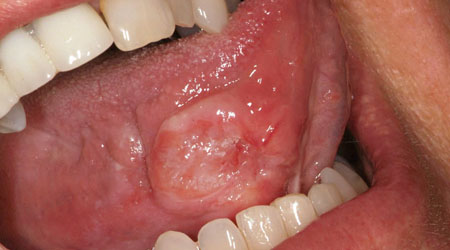
Cancer


Each year, approximately 40,000 new cases of oral cancer and cancers of the throat, tonsils and back of the tongue are diagnosed. Tobacco use, alcohol abuse and HPV all increase your chance of developing these cancers. Men are twice more likely to get oral cancer than women. During regular checkups, your dentist will check your mouth for symptoms like red or white patches, sores that won’t heal and rough, crusty spots. If anything suspicious is found, your dentist will order more testing or refer you to a specialist. The image above is only one example of how oral cancer might appear.

To read the entire article visit MouthHealthy.org.

Bill Skinner, DDS
14381 Hickman Rd.
Urbandale, IA 50323
(515) 412-4200

Thursday, August 8, 2019

How to Brush Your Teeth Properly: A Quick Guide

Below is an excerpt from an article found on Colgate.com that was written by AM Hopkins

Everyone knows that brushing their teeth plays a major role in their overall health, but they may not be aware of the correct way to brush their teeth. The American Dental Association recommends that you brush your teeth at least twice each day; here is a quick guide to ensure you know how to do it properly.

Purchase the right toothbrush. Before you even begin the process of brushing your teeth, it's important that you have the right toothbrush. The type of toothbrush you select depends on your specific needs. If you need a toothbrush mostly for removing plaque, a soft-bristled brush is best. On the other hand, if you are concerned about reaching hard-to-reach spaces, you should consider a toothbrush with a smaller head. in the Colgate Oral Care resources.

Take your time. You should spend at least two minutes brushing your teeth. This may seem like a long time - the average person usually falls short of this goal - but it is necessary ensure that your teeth are clean. If you're worried about reaching this goal, consider investing in a toothbrush that has an automatic timer or use a stopwatch.

Be thorough. Tilt your toothbrush to a 45 degree angle and ensure that you are cleaning both the outer and inner surfaces of your upper and lower teeth. It is equally important to clean the chewing surfaces of your teeth, as well.

Be gentle. When brushing your teeth, it's important to use short, precise strokes. This ensures that you don't cause any trauma to your mouth and that you reach the specific areas you are trying to target. You should brush the entire surface of the tooth in a gentle back and forth motion.

Don't forget your tongue. Brushing your tongue is an essential part of maintaining proper oral care. Many people often overlook this step, but it is important to both your overall oral hygiene and the freshness of your breath.

To read the entire article visit Colgate.com.

Bill Skinner, DDS
14381 Hickman Rd.
Urbandale, IA 50323
(515) 412-4200
The Top 7 Risk Factors for Oral Cancer (Part 3 of 3)

You know your dentist is looking for cavities during regular check-ups, but you may not realize your dentist can check for cancer at the same time. It’s estimated that approximately 51,540 people will be diagnosed with oral cancer and cancers of the throat, tonsils and back of the tongue in 2018.

Sunlight 
People who have jobs working outside are more prone to developing lip cancer and should use UV protection.


Diet 
Poor nutrition also may put you at risk for developing oral cancer. A diet low in fruits and vegetables may increase your chance of developing oral cancer, so add more color to your plate! 


To read the entire article visit MouthHealthy.org.

Bill Skinner, DDS
14381 Hickman Rd.
Urbandale, IA 50323
(515) 412-4200

The Top 7 Risk Factors for Oral Cancer (Part 2 of 3)

You know your dentist is looking for cavities during regular check-ups, but you may not realize your dentist can check for cancer at the same time. It’s estimated that approximately 51,540 people will be diagnosed with oral cancer and cancers of the throat, tonsils and back of the tongue in 2018.

Tobacco 
Whether you smoke it or chew it, tobacco use increases your risk dramatically. Smoking can cause oral cancer, as well as cancer in other parts of the body. Pipe smokers are also at a higher risk for developing cancer in their lips. Smokeless tobacco, like chew, can lead to many issues in your mouth, the most serious being cancer of the cheeks, gums, and lips.


Alcohol 
According to the American Cancer Society, 7 of 10 oral cancer patients are heavy drinkers. Heavy drinking, as defined by the Centers for Disease Control and Prevention (CDC), is an average of two drinks a day or more for men and an average of more than one drink a day for women. If you are a heavy drinker and a heavy smoker, your chances of developing oral cancer increase significantly.  


Human Papilloma Virus (HPV) 
The sexually transmitted disease is now associated with about 9,000 cases of head and neck cancer (specifically those occurring at the back of the tongue, in or around the tonsils) diagnosed each year in the United States, according to the CDC. People who are diagnosed with HPV-related head and neck cancer tend to be younger and nonsmokers. People with HPV-positive cancers have a lower risk of death or recurrence, even though these cancers are often diagnosed at a later stage because it develops in difficult-to-detect areas.  


To read the entire article visit MouthHealthy.org.

Bill Skinner, DDS
14381 Hickman Rd.
Urbandale, IA 50323
(515) 412-4200

The Top 7 Risk Factors for Oral Cancer (Part 1 of 3)

You know your dentist is looking for cavities during regular check-ups, but you may not realize your dentist can check for cancer at the same time. It’s estimated that approximately 51,540 people will be diagnosed with oral cancer and cancers of the throat, tonsils and back of the tongue in 2018.

Regular visits to your dentist can help you detect such cancers early, and changing a few potentially harmful habits may help reduce your chances of developing them. Read on to find out the top risk factors.


Gender 
Men are twice more likely to get oral cancer. The American Cancer Society attributes this to higher rates of alcohol and tobacco use by men, but says more men of a younger age are being diagnosed with HPV-related forms of oral cancer.


Age 
Most people who are diagnosed with oral cancer are 55 or older, according to the American Cancer Society. HPV-related oral cancers, however, are often diagnosed in people who are younger.  


To read the entire article visit MouthHealthy.org.

Bill Skinner, DDS
14381 Hickman Rd.
Urbandale, IA 50323
(515) 412-4200


Thursday, May 2, 2019

What to Know About Gingivitis

What Is Gingivitis?
Gingivitis is an early stage of gum disease caused by the buildup of plaque bacteria on the tissues that surround the teeth. Plaque, a naturally occurring biofilm containing bacteria, can lead to gingivitis if not removed by daily brushing. 

Who Can Get Gingivitis?
Gingivitis is quite prevalent. But while almost 80% of adults will experience some symptoms of gingivitis, that doesn’t necessarily mean it’s inevitable. It’s important to note that occasionally there might be no noticeable pain or apparent signs, leaving people unaware that they have it. That’s another good reason to schedule regular checkups with your dental professional every six months so he or she can identify it and suggest treatment options.

Gingivitis Symptoms
Some symptoms of gingivitis include red, swollen, and bleeding gums. Chronic gingivitis can lead to periodontitis and chronic bad breath. If these symptoms persist, it's important to talk with your dental professional to determine the best treatment. In the meantime, learn what you can do to protect against gingivitis.

To read the entire article visit OralB.com.

Solace Dental
Bill Skinner, DDS
14381 Hickman Rd.
Urbandale, IA 50323
(515) 412-4200

Wednesday, April 3, 2019

Diabetes and Your Mouth # 6: Floss Every Day

Flossing helps control plaque. It can reach where a toothbrush can't, like between the teeth. Floss daily with floss and interdental cleaners that carry the American Dental Association (ADA) seal. Ask your dentist for tips if you're not sure how to floss. Like everything else, flossing gets easier with practice.

The above article is from: WebMD.com

Solace Dental
Bill Skinner, DDS
14381 Hickman Rd.
Urbandale, IA 50323
(515) 412-4200