Friday, June 28, 2019

Quick Nutrition Tips

Nutrition Tips
Following a proper and nutritious diet not only helps keep your body healthy, but your mouth as well. Nutrition plays an important role in the health and cleanliness of your teeth, gums and mouth.

Limit Soda, Coffee and Alcohol
Although these beverages contain a high level of phosphorous, which is a necessary mineral for a healthy mouth, too much phosphorous can deplete the body's level of calcium. This causes dental hygiene problems such as tooth decay and gum disease. Beverages containing additives such as corn syrup and food dye can make pearly white teeth appear dull and discolored. Therefore, it is best to choose beverages like milk, which helps strengthen teeth and build stronger enamel, giving you a healthy, beautiful smile.

Drink Tap Water When Possible
If bottled water is your main source of drinking water, you could be missing the decay-preventive benefits of fluoride.

Monitor Your Low-Carb Lifestyle
Despite their popularity, low-carb diets can cause bad breath. A balanced, dental-healthy diet can help reduce tooth decay.

Increase Your Calcium Intake
After age 20, both men and women lose more bone mass than they form so it is important to restore lost calcium with a daily supplement and by eating fruits and vegetables high in calcium, such as dark leafy greens. These foods will also help to lower the acid buildup in the saliva that can lead to breakdown of tooth enamel.

Take a Daily Dose of Vitamins C and D
These vitamins help support the absorption of healthy mouth minerals such as calcium and phosphorous, which support the bone and gum tissue, keeping it healthy. This is an easy way to maintain dental hygiene and fight gum disease.

Put Out the Cigarette
Smoking cigarettes is one of the greatest contributors to the aging mouth. According to the Center for Disease Control, more than 22 million women in the United States smoke cigarettes. In addition to staining teeth, smoking interrupts calcium absorption in the body and can also cause potentially life-threatening diseases such as oral cancer. So stop smoking and enjoy the health benefits as well as a healthy, beautiful smile.

The above article is from: OralB.com

Solace Dental
Bill Skinner, DDS
14381 Hickman Rd.
Urbandale, IA 50323
(515) 412-4200

Monday, June 24, 2019

Adult and Braces: Why Are More Adults Getting Braces? and How Do I Know If Adult Braces Are Right For Me?


Why are more adults getting braces?

As braces have become less bulky and visible in recent years, more and more adults are wearing them, for a variety of reasons. Some adults want to correct problems with their teeth or jaws before they cause serious or further damage. Others want to feel better about their appearance by addressing longstanding cosmetic concerns. Keep in mind that even "cosmetic" problems can cause real damage over time. Teeth and jaws that are not aligned properly can lead to premature wear and tear, advanced tooth decay and gum disease, dentures or other reconstructive solutions and even more extensive surgery to correct serious problems.

New techniques and the advent of clear, less noticeable braces means that adults are increasingly turning to braces to correct:


  • Gaps between teeth (spacing)
  • Teeth that push against one another (crowding)
  • Crooked teeth
  • Overbites
  • Underbites
  • Crossbites

How do I know if adult braces are right for me?

If you think you might benefit from braces, ask your dentist to recommend an orthodontist — someone specially trained to fix problems with teeth that are not aligned properly. The orthodontist will look at your teeth and maybe take X-rays to study the underlying bone structure. Based on what he or she finds, a treatment plan will be recommended. While braces are a popular option for fixing misaligned teeth, an orthodontist can tell you whether you may benefit more from other types of orthodontics like removable retainers, headgear or aligners.

To read the entire article visit colgate.com

Solace Dental
Bill Skinner, DDS
14381 Hickman Rd.
Urbandale, IA 50323
(515) 412-4200

Saturday, June 22, 2019

Dental Grills: The Bad Things

Bad Effects Of Dental Grills
Dental grills, also known as “grillz,” have become popular among some teens and adults due to their popularity among celebrities, especially rap musicians. Grills are decorative covers that snap over one or more teeth. They are usually made of gold, silver or other precious metals. But less expensive grills are often made from base metals that can cause irritation or an allergic reaction.

There are no long-term studies of dental grills, so there are no data about long-term safety or about problems resulting from long-term wear.

Grills can promote plaque buildup and tooth decay because food particles and bacteria may build up between the teeth and the grill. A grill may also cause abrasion of the teeth that border it. Excessive wearing of grills may discolor teeth, too, so grill fans may need to whiten teeth when they decide to stop wearing the grill.

Anyone who wears a dental grill should be especially attentive to dental hygiene, and follow a consistent routine of twice-daily tooth brushing and daily flossing. Also, be sure to remove the grill before eating and rinse it often to remove bacteria and food particles. Talk to your dentist before getting a dental grill and be sure to find out how best to reduce the risk of bacterial buildup and other complications.

The above article is from: OralB.com

Solace Dental
Bill Skinner, DDS
14381 Hickman Rd.
Urbandale, IA 50323
(515) 412-4200

Thursday, June 20, 2019

Saliva Shortage? Pay Extra Attention to Plaque Removal

Saliva has an important job to do in your mouth. For starters, it helps to remove food particles. But it also helps prevent tooth decay and infection by washing away plaque and keeping disease-causing bacteria from building up on your teeth and gums. But saliva can’t do all that work by itself. So it’s important to remove plaque yourself by practicing good oral hygiene, which means proper flossing each day, and twice-daily tooth brushing.

Most of us don’t think about the moisture in our mouths until our mouths become dry. A variety of conditions can cause dry mouth, also known as xerostomia, including the following:

  • Cancer treatments. If you have any type of cancer of the head or neck and you receive radiation therapy, dry mouth is a common side effect because the radiation damages the salivary glands in addition to destroying the cancer. Some medications used to treat cancer in any part of the body can also cause dry mouth.
  • Prescription medications. Hundreds of common medications, including many antidepressants and medications for high blood pressure, can contribute to a dry mouth. If you take medications that seem to make your mouth feel dry, be especially vigilant about tooth brushing and proper flossing.
  • Nerve damage. Some types of injuries to the head or neck can damage the specific nerves that tell the salivary glands to produce saliva.
  • Chronic illness. Diabetes, HIV/AIDS, and Parkinson’s disease are among the diseases that can contribute to a chronic dry mouth.
  • Drug use. Methamphetamines have been associated with dry mouth.

To read the entire article please visit: OralB.com

Solace Dental
Bill Skinner, DDS
14381 Hickman Rd.
Urbandale, IA 50323
(515) 412-4200

Tuesday, June 18, 2019

Great Ways to Improve Your Smile # 6

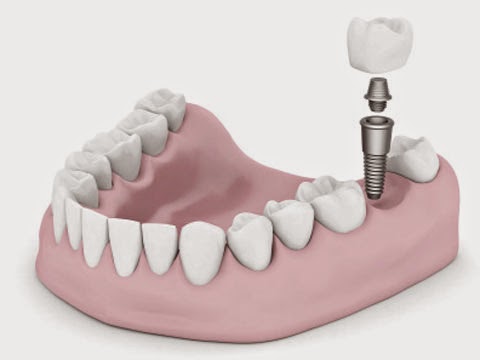
Implants
Dental implants are a popular and effective way to replace missing teeth. Surgically placed in the upper or lower jaw, they function as a sturdy anchor for replacement teeth. Made of titanium and other materials, implants are designed to hold restorations like crowns or bridges blend in with your other teeth, and are a long-term option for restoring your smile. 

The above article is from: MouthHealthy.org

Solace Dental
Bill Skinner, DDS
14381 Hickman Rd.
Urbandale, IA 50323
(515) 412-4200
Saturday, June 15, 2019

Braces


Braces and orthodontic treatment are used to correct “bad bites,” or malocclusion (teeth that are crowded or crooked). In some cases your teeth may be straight, but your upper and lower jaws may not meet properly. These jaw or tooth alignment problems may be inherited or could result from injury, early or late tooth loss, or thumbsucking.
If you have an abnormal bite your dentist may recommend braces or another orthodontic treatment to straighten out your smile. Correcting the problem can create a nice-looking smile, but more importantly, orthodontic treatment results in a healthier mouth. Not correcting an abnormal bite could result in further oral health problems, including:
  • tooth decay
  • gum disease
  • tooth loss
  • affected speech and/or chewing
  • abnormal wear to tooth enamel
  • jaw problems

Straightening your teeth can be accomplished in different ways. The kind of orthodontic treatment you have will depend on your preference and the options provided by your dentist or orthodontist. Traditional braces realign teeth by applying pressure. They usually consist of small brackets cemented to your teeth, connected by a wire, which is periodically tightened by your dentist or orthodontist to gradually shift your teeth and jaw. The brackets may be metal or tooth colored. Sometimes they are placed behind your teeth. Under the direct supervision of a dentist or orthodontist, removable aligners are another option for treating orthodontic problems.
Orthodontic treatment may be provided by your dentist or an orthodontist, a dentist who specializes in the diagnosis, prevention and treatment of dental and facial irregularities. It will depend on the orthodontic experience of your dentist and the severity of your case.
Since abnormal bites usually become noticeable between the ages of 6 and 12, orthodontic treatment often begins between ages 8 and 14. Treatment that begins while a child is growing helps produce optimal results. That doesn’t mean that adults can’t have braces; healthy teeth can be orthodontically treated at any age.
Treatment plans will vary based on your situation, but most people are in treatment from one to three years. This is followed by a period of wearing a retainer that holds teeth in their new positions. Today’s braces are more comfortable than ever before. Newer materials apply a constant, gentle force to move teeth and usually require fewer adjustments.
While you have braces it’s important to maintain a balanced diet for the health of your teeth. Of course, a healthy diet is always important, but eating too many sugary foods with braces can lead to plaque build-up around your brackets that could permanently stain or damage your teeth. Avoiding foods like popcorn, corn on the cob, chewing gum, whole apples, and other sticky foods is also a good idea. Ask your dentist about foods to avoid while you are in treatment. Not all of us are born with beautiful smiles, but with a good oral hygiene routine, and a little help from orthodontics, you can have a beautiful and healthy smile.
You can read more about orthodontists and orthodontic treatment from the American Association of Orthodontists.
To read the entire article visit mouthhealthy.org
Solace Dental
Bill Skinner, DDS
14381 Hickman Rd.
Urbandale, IA 50323
(515) 412-4200

Thursday, June 13, 2019

Scaling And Root Planing: Professional Plaque Removal

Perhaps you’ve been neglecting a good oral health routine. Or, you’ve done your best, but you’ve developed plaque and tartar buildup. A regular routine of twice-daily tooth brushing and daily flossing is an important part of regular plaque removal for everyone. But if you have risk factors that have caused a buildup of plaque on your teeth and gums to harden into tartar, your dentist or dental hygienist may suggest scaling or root planing your teeth to remove the buildup. If left untreated, severe tartar buildup along and under the gum line can cause the gums to pull away from the teeth, which may increase the risk of gum disease.

Scaling and root planing are common nonsurgical techniques that may prevent the need for more serious procedures, such as periodontal surgery or a root canal.

Here’s what to expect if your dentist or dental hygienist recommends these techniques:

  • You won’t feel it. You’ll receive a local anesthetic to numb the area.
  • Scaling: Your dentist or dental hygienist removes plaque and tartar from the areas both above and below the gum line.
  • Root Planing: Your dentist or dental hygienist uses special tools to smooth rough spots on the tooth roots. This process not only removes bacteria and helps reduce plaque buildup, but it provides a smooth surface for gums to reattach to the teeth.

After a scaling and root planing procedure, be sure to follow your dentist’s instructions and maintain an oral care routine of twice-daily tooth brushing and daily flossing. If your gums are sensitive after the procedure, try a spongy floss, such as Oral-BÆ Ultra FlossÆ, to help prevent painful flossing.

The above article is from: OralB.com

Solace Dental
Bill Skinner, DDS
14381 Hickman Rd.
Urbandale, IA 50323
(515) 412-4200